
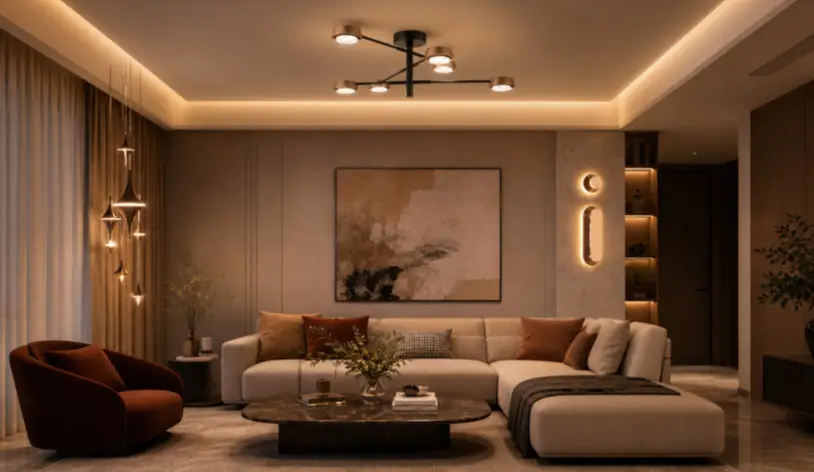

Walk into a room and you’ll feel its mood before you even notice why. More often than not, the answer lies overhead, in the corners, or tucked behind a shelf. Lighting design shapes how a space feels long before furniture or color ever enters the equation.
Good lighting design does more than illuminate a room. It influences mood, enhances functionality, and transforms the overall ambience of a home. Whether you’re hosting guests in the living room or finishing a report in your home office, the way light falls across a space changes how you think, feel, and function within it. This post breaks down the basics of lighting design and how strategic placement can elevate every room in your home.
Understanding Lighting Design Basics
Effective lighting design relies on three main types of lighting: ambient, task, and accent.
Ambient lighting serves as the foundation, providing general illumination throughout a room. Task lighting focuses on specific activities, like reading or cooking, where brighter, more direct light is needed. Accent lighting adds depth and highlights features worth noticing, such as artwork or architectural details.
Each type plays a distinct role, but the real magic happens when they’re layered together. Relying on a single light source, like one overhead fixture, tends to flatten a room and create harsh shadows. Thoughtful lighting design combines all three types to create depth, warmth, and balance, making a space feel complete rather than one-dimensional.
Key Principles of Strategic Lighting Placement
Before adding new fixtures, take stock of natural light. Observe how sunlight moves through a room across the day. A space that feels bright at noon might turn dim and uninviting by evening without the right lighting design to compensate.
Strategic lighting placement also means using light to draw attention to what matters. Architectural features, like exposed beams or textured walls, benefit from accent lighting that highlights their shape and character. The same goes for artwork or decor pieces you want to stand out.
Balance is equally important. Overly bright spaces can cause eye strain, while dim corners can make a room feel neglected. Good lighting design distributes brightness evenly, creating visual interest without overwhelming the senses.
See also: Waterproof Labels on Rolls Make the Whole Labelling Job Less of a Sticky Situation
Practical Lighting Design Tips for Different Rooms
Living Areas: Layered lighting design works best here. Combine ambient lighting with table lamps and accent fixtures to create a warm, inviting atmosphere suited for both relaxing and entertaining.
Kitchens: Functionality comes first in this space. Task lighting under cabinets supports food prep, while ambient lighting design keeps the rest of the kitchen comfortably lit for everyday use.
Bedrooms: Soft, dimmable lighting design promotes relaxation. Avoid harsh overhead lights in favor of warmer tones that signal rest rather than alertness.
Home Offices: Productivity depends on reducing fatigue. A well-planned lighting design incorporates task lighting at the desk alongside ambient light to minimize glare on screens and reduce eye strain during long work hours.
The Psychological Impact of Lighting Design
Color temperature plays a significant role in how a space feels. Warm tones, often in the amber or soft yellow range, tend to create a cozy, relaxed atmosphere. Cool tones, closer to white or blue-white light, feel more energizing and are often better suited for workspaces or areas requiring focus.
Beyond mood, lighting design also affects energy levels and overall well-being. Spaces with poor lighting can contribute to fatigue or low motivation, while rooms designed with intention tend to feel more comfortable and functional. Choosing the right tone for each room isn’t just an aesthetic decision. It directly shapes how people experience that space day to day.
Rethink Your Space, One Light at a Time
Strategic lighting placement does more than brighten a room. Thoughtful lighting design shapes how a space feels, functions, and supports daily life, from the ambient glow in a living room to the focused task lighting in a home office. The right lighting design can make a home feel warmer, more functional, and more aligned with how people actually use their spaces.
Take a moment to walk through your home with fresh eyes. Notice where shadows gather, where light falls flat, and where a little adjustment could change the entire feel of a room. Sometimes, the simplest shift in lighting design makes the biggest difference in how a home comes together.
