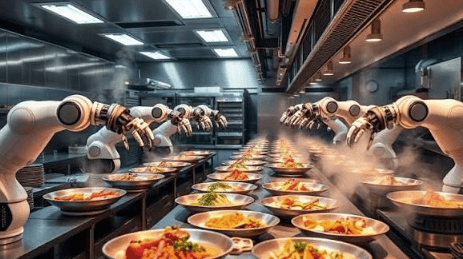

Artificial intelligence is transforming restaurant kitchens by orchestrating real-time analytics across inventory, demand, and schedules. It enables automated workflows that raise line speeds with built-in safety nets and predictive decision-making. A disciplined, data-driven approach guides tool selection, data-flow mapping, and modular integrations, anchored by governance and clear ROI. From prep to service, AI improves portion consistency, order accuracy, and staffing efficiency, while cutting waste. The path forward promises measurable gains and ongoing optimization, inviting closer examination.
How AI Transforms Kitchen Operations Today
Artificial intelligence is reshaping restaurant kitchens through real-time analytics, automated workflows, and predictive decision-making. In practice, operations gain synchronicity: inventory aligns with demand, schedules adapt to peak hours, and line speeds optimize with safety nets.
AI governance emerges to ensure accountability, while data integration harmonizes disparate systems. The result is scalable, transparent, and freedom-centered efficiency across stations.
Choosing AI Tools for Your Restaurant Tech Stack
Choosing AI tools for a restaurant’s tech stack requires a disciplined, data-driven approach: assess concrete goals, map required data flows, and evaluate vendor capabilities against measurable milestones.
Vision centers on scalable automation onboarding and robust data governance, ensuring interoperability and governance discipline.
Decision-makers pursue freedom through modular, auditable integrations, clear ROI, and continuous performance feedback, aligning tech choices with operational risk, flavor, and guest experience.
Real-World Use Cases: From Prep to Service
From prep to service, real-world AI implementations in restaurant kitchens demonstrate how data-driven automation translates into measurable outcomes, from prep efficiency and portion consistency to order accuracy and steady service pacing.
Flavor pairing optimization informs menu cohesion and creative freedom; staff scheduling aligns labor with demand, reducing idle time and bottlenecks while preserving quality, speed, and consistent guest experiences.
See also: Artificial Intelligence in Resource Exploration
Measuring AI Impact: Waste, Consistency, and Cost
Measuring AI impact in restaurant kitchens centers on three core pillars: waste reduction, product consistency, and total cost. Precision informs decisions: waste forecasting guides inventory discipline, while consistency metrics quantify repeatability across stations and menus. Data-driven insight enables agile experiments, pragmatic adjustments, and scalable savings, empowering operators seeking freedom through measurable improvements, reduced waste, predictable quality, and transparent, sustainable cost structures.
Frequently Asked Questions
How Secure Is Customer Data Used by AI in Kitchens?
Answering the question: security of customer data in AI-enabled kitchens hinges on robust data privacy and access control. It envisions resilient, transparent pipelines, encryption at rest and in transit, auditable practices, and freedom through empowered, informed risk-based decisions.
Can AI Replace Human Chefs Entirely in Restaurants?
Cautiously, AI cannot wholly replace human chefs; kitchen collaboration remains essential. Imagery of sparks and gears signals synergy, not domination. It scrutinizes data privacy, evaluates cost barriers, and anchors AI ethics within a visionary, pragmatic, freedom-seeking future.
What Are Upfront Costs for Small Independent Eateries?
Upfront costs for small eateries vary, but investments target hardware, software, and compliance. Visionaries weigh AI data security and kitchen regulation, balancing ROI with flexibility. Pragmatic budgeting favors scalable platforms, modular backups, and clear risk controls supporting independent culinary freedom.
How Do You Train AI to Handle Seasonal Menus?
“Patience is a virtue.” Trainable systems can adapt to seasonal menus by modular training, emphasizing data governance. The approach remains visionary, data-driven, and pragmatic, empowering operators seeking freedom to evolve curricula, recipes, and workflows with confidence and measurable outcomes.
What Regulatory Considerations Govern AI in Food Prep?
Regulatory considerations govern AI in food prep through strict regulatory compliance and robust food safety standards, guiding deployment. The vision is data-driven and pragmatic, balancing freedom with accountability, ensuring scalable ethical practice and verifiable risk mitigation across autonomous kitchen systems.
Conclusion
In sum, AI reshapes kitchen operations from prep to service with data-driven discipline and pragmatic rigor. Real-time analytics align inventory, demand, and staffing, while predictive workflows embed safety nets and continuous improvement. The result is measurable: reduced waste, steadier portioning, and steadier service pacing. Like a compass steadied by data, AI guides operational decisions toward consistent quality and tangible savings, proving that intelligent automation is not speculative—it’s the deliberate engine behind scalable, sustainable restaurant success.